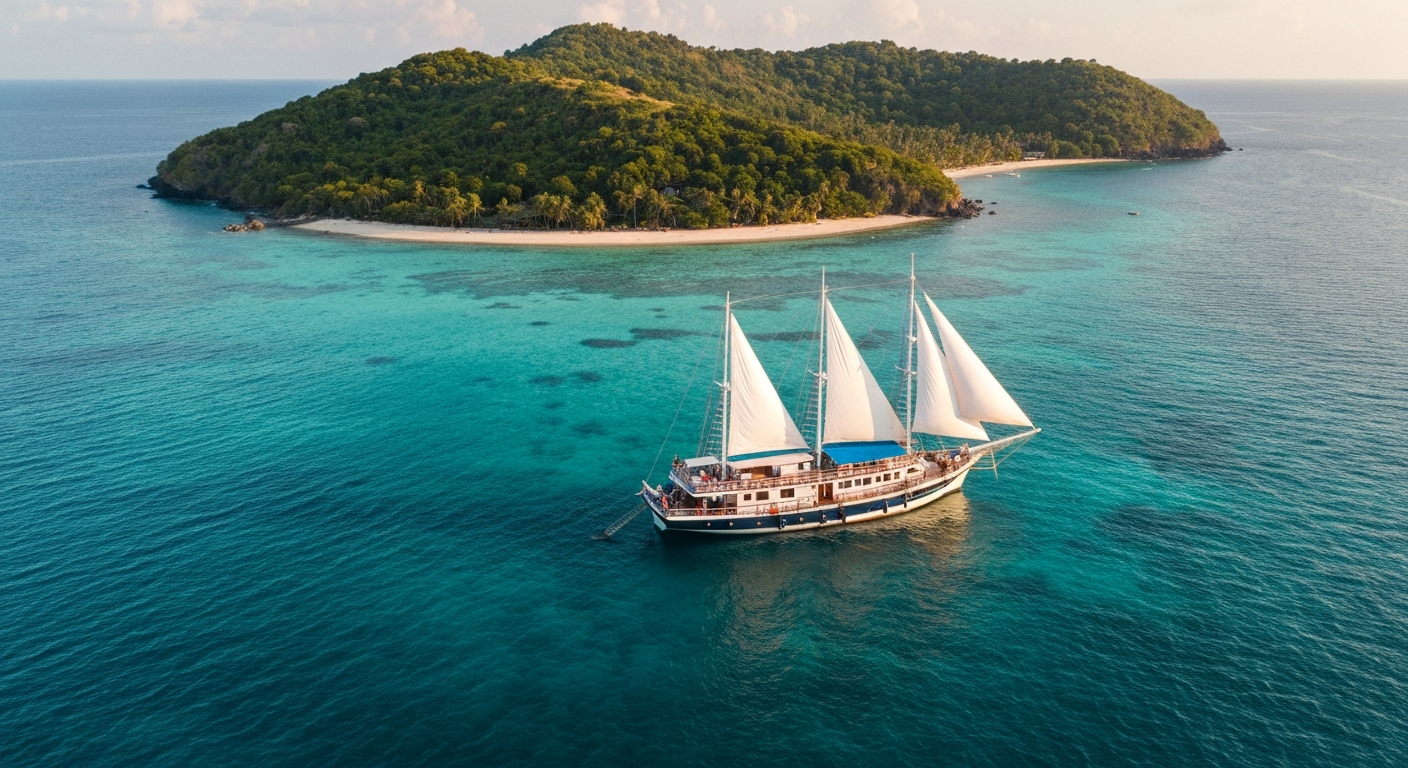
Securing appropriate permits for filming in Bali’s marine protected areas is a critical step for any bali wedding film production in 2026. These regulations ensure the preservation of the island’s vibrant underwater ecosystems, which span critical coral reefs and diverse marine life. As of May 2026, foreign couples planning a destination wedding film shoot near coastal or marine zones must adhere to specific national and regional guidelines to avoid penalties. The Nusa Penida Marine Protected Area, for instance, covers over 20,000 hectares and is subject to strict conservation rules implemented by the Indonesian Ministry of Marine Affairs and Fisheries. Understanding these requirements from the outset prevents delays and ensures compliance with Indonesian environmental law.
Understanding Bali’s Marine Protected Areas (MPAs)
Bali’s Marine Protected Areas (MPAs) are designated zones established to conserve marine biodiversity and natural habitats. These areas encompass vital ecosystems like coral reefs, seagrass beds, and mangrove forests. The largest and most well-known is the Nusa Penida MPA, formally recognized in 2010 to protect species such as manta rays and mola-mola sunfish. Another significant area is within West Bali National Park, surrounding Menjangan Island, which became a protected zone in 1983. These zones are managed by the Indonesian government, primarily through the Ministry of Marine Affairs and Fisheries (Kementerian Kelautan dan Perikanan – KKP), to regulate human activities, including tourism and filming. Specific regulations apply to commercial activities, including videography for events like Bali elopement films.
Why Filming Permits are Essential for Marine Park Locations
Filming permits are essential for any commercial videography within Bali’s marine protected areas to ensure environmental responsibility and legal compliance. These permits regulate access, minimize ecological disturbance, and contribute to conservation funding. Without proper authorization, videographers risk significant fines, equipment confiscation, and even deportation, as stipulated by Indonesian law concerning protected areas. The permit application process allows authorities to monitor activity levels and ensure that filming crews adhere to strict guidelines, such as avoiding contact with marine life or damaging coral. For instance, drone operations within MPAs often require additional clearances due to potential disturbance to wildlife. Adhering to these regulations protects Bali’s natural heritage, which attracts over 6 million foreign tourists annually.
Key Marine Parks Requiring Filming Permits
Several of Bali’s stunning coastal and marine locations fall under protected status, necessitating specific permits for any professional pre-wedding film or wedding day videography. The Nusa Penida Marine Protected Area, including the waters around Nusa Lembongan and Nusa Ceningan, is a primary example. Here, filming permits are mandatory for any commercial activity, including drone usage near iconic spots like Kelingking Beach or Crystal Bay. West Bali National Park, home to Menjangan Island, also requires permits for filming, particularly for underwater or coastal shoots. This park spans approximately 19,000 hectares of marine habitat. While less restrictive, certain public beaches managed by local villages (desa adat) may also require small local fees or informal permissions for larger crew setups, though these differ from national park permits. Always verify specific location requirements before planning your shoot.
The 2026 Permit Application Process and Timeline
The permit application process for filming in Bali’s marine parks in 2026 requires careful planning, typically taking 2-4 weeks for approval. Applicants must submit a formal letter of intent detailing the filming schedule, specific locations, and equipment list to the relevant government body, such as the Balai Konservasi Sumber Daya Alam (BKSDA) Bali or the local KKP office. Required documents include copies of passports for all foreign crew members, a detailed itinerary, and proof of insurance covering potential environmental damage. Filming at protected sites like Nusa Penida MPA often involves coordination with local conservation groups. We advise starting the application process at least 6 weeks before your intended shoot date, especially for complex productions involving multiple locations or drone usage. Delays can occur due to public holidays or additional documentation requests. Indonesia’s Ministry of Tourism and Creative Economy provides general guidelines for foreign production crews.
Costs and Fees for Marine Park Filming Permits in 2026
The costs for marine park filming permits in Bali vary significantly depending on the specific location, duration, and scale of the production. For a standard Bali cliffside wedding film shoot involving 1-2 videographers, permit fees for a single day in a protected marine area like Nusa Penida typically range from USD $200 to $500. This fee often covers administrative processing and contributes to local conservation efforts. Additional charges apply for drone permits, which can add another USD $100-$300 per day, subject to approval and specific drone model. Multi-day shoots or productions requiring exclusive access may incur substantially higher fees, sometimes exceeding USD $1,000. These fees are usually payable in Indonesian Rupiah (IDR) at the prevailing exchange rate. It is crucial to budget for these expenses upfront, as they are non-negotiable and mandated by the government.
Consequences of Non-Compliance with Filming Regulations
Non-compliance with Bali’s marine park filming regulations carries serious consequences for both individuals and production companies. Operating without the necessary permits can result in immediate cessation of filming activities and confiscation of equipment by authorities. Fines for unauthorized commercial filming in protected areas start at approximately IDR 5,000,000 (around USD $320 based on May 2026 rates) and can escalate significantly for repeat offenses or severe environmental breaches. Foreign nationals may face legal action, including potential detention and deportation from Indonesia, impacting future travel to the country. These measures aim to deter illegal activities and uphold the integrity of Bali’s conservation efforts. Production teams must ensure all crew members understand and adhere to these regulations to avoid legal repercussions and maintain the reputation of their marine protected area.
Essential Checklist for 2026 Marine Park Filming Permits
Navigating the permit process for a Bali wedding film in a marine park requires meticulous organization. This checklist outlines the critical steps and documentation needed for a successful application in 2026:
- **Identify Specific Filming Locations:** Pinpoint exact areas within marine parks (e.g., Crystal Bay, Menjangan Island) to determine relevant authorities.
- **Prepare Letter of Intent:** Draft a formal letter addressed to BKSDA Bali or KKP, stating purpose, dates (e.g., June 15-16, 2026), crew size (e.g., 3 members), and equipment.
- **Gather Crew Passports:** Collect scanned copies of passports for all foreign videographers and crew members, ensuring validity for at least 6 months beyond the shoot date.
- **Develop Detailed Itinerary:** Outline the precise filming schedule, including arrival/departure times, specific shots planned, and duration at each location.
- **List Equipment:** Provide a comprehensive list of all professional camera gear, drones (including model and serial numbers), lighting, and audio equipment.
- **Obtain Drone Permit (if applicable):** Secure separate approval for drone operation from the Directorate General of Civil Aviation, often requiring an additional 2-3 weeks.
- **Secure Environmental Insurance:** Provide proof of liability insurance covering potential damage to natural habitats or third parties during filming.
- **Budget for Fees:** Allocate USD $200-$800 for permit fees, depending on location and complexity, payable in IDR.
- **Appoint Local Liaison:** Designate a local coordinator or production assistant familiar with Indonesian bureaucratic procedures.
- **Allow Sufficient Lead Time:** Submit all documents at least 6 weeks before the planned filming date to accommodate processing delays.
Securing the necessary marine park permits for your Canggu wedding video or any other coastal Bali location demonstrates a commitment to responsible destination filmmaking. The regulations for 2026 are designed to protect Bali’s invaluable marine ecosystems, which are a cornerstone of its natural beauty and tourism appeal. Understanding and adhering to these guidelines from the outset ensures a smooth production process and avoids unforeseen legal complications. By working with experienced local partners familiar with the permit landscape, couples can focus on their celebration while ensuring their wedding film adheres to all local laws. For detailed assistance with permit acquisition and comprehensive Bali wedding film packages, contact our team, who possess extensive experience navigating these requirements.